Improving Corner Exit Speed with Throttle Control
Exiting a corner with maximum speed is one of the most rewarding yet technically demanding aspects of performance driving. While many drivers focus on braking points and turn-in angles, the phase after the apex often determines lap time gains. The way the throttle is applied during corner exit influences traction, balance, and overall momentum. Understanding how to modulate pedal pressure smoothly and progressively allows the vehicle to accelerate efficiently without upsetting the chassis.
Throttle control is not simply about how fast the pedal is pressed, but about how the driver manages the relationship between power delivery and available grip. This relationship changes constantly depending on corner radius, surface conditions, tire temperature, and vehicle setup. By approaching throttle application as a process of gradual load transfer rather than an on-off switch, drivers can extract more usable acceleration from the rear tires.
This article explores the principles behind progressive throttle input, the physics of weight transfer, and practical methods for refining technique. The focus is on understanding the mechanisms at work rather than promising fixed outcomes, as results depend on numerous variables including track layout, vehicle characteristics, and driver adaptation.
Understanding Traction and Weight Transfer During Corner Exit
When a car exits a corner, the available traction at the rear wheels is influenced by the distribution of weight across the chassis. As the driver begins to accelerate, weight shifts toward the rear of the vehicle, increasing vertical load on the driven tires. This additional load can improve grip, provided it is applied gradually and in coordination with the steering angle.
The relationship between throttle input and weight transfer is not linear. A sudden application of power causes a rapid shift of weight, which can overwhelm the rear tires if the road surface is uneven or if the corner demands a significant steering angle. Conversely, a very gradual increase allows the suspension to settle, giving the tires time to find their optimal slip angle. This process is often described as “feeding in” the throttle, where the pedal is depressed smoothly as the steering wheel is unwound.
Drivers should also consider the effect of corner trajectory. A wider exit line typically allows earlier throttle application because the steering angle is reduced. However, the exact relationship varies with vehicle type. Front-wheel-drive cars behave differently from rear-wheel-drive or all-wheel-drive layouts, and each requires a slightly different approach to throttle modulation. The key is to observe how the car responds to small changes in pedal position and adjust accordingly.
The Technique of Progressive Throttle Application
Progressive throttle application involves increasing pedal pressure in a manner that matches the vehicle’s ability to convert torque into forward motion without losing lateral grip. This technique starts at the apex or just before it, depending on corner characteristics. The initial input is minimal, often no more than a slight increase in engine rpm, before the driver begins to unwind the steering.
As the steering angle decreases, the driver can increase throttle pressure steadily. The ideal rate of increase is determined by feedback from the tires. If the rear begins to slide or the traction control system intervenes, the input may be too aggressive. If the car feels sluggish or understeers on exit, slightly more throttle may help transfer weight to the rear and improve front-end grip.
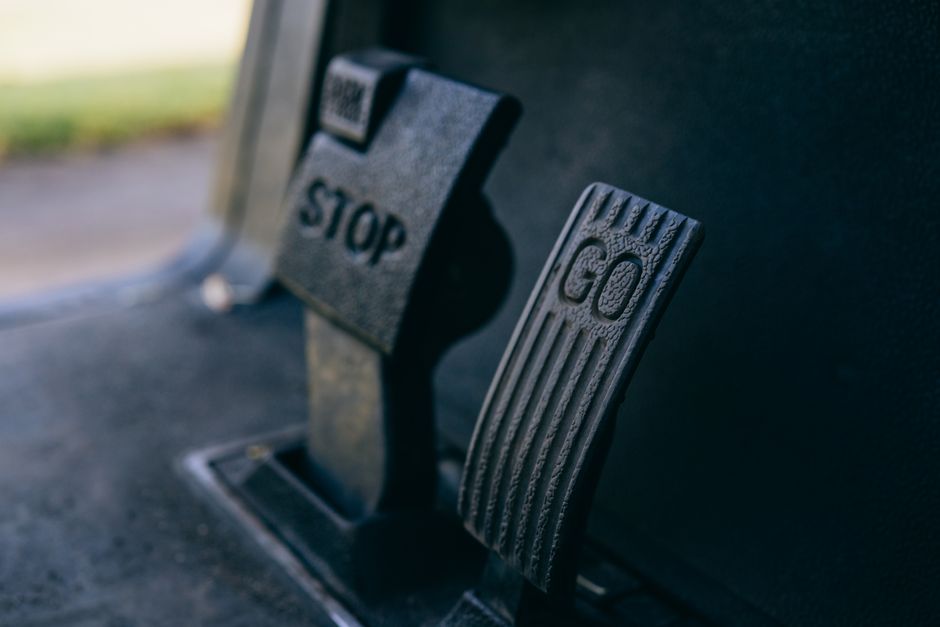
One effective method for practicing progressive throttle is to focus on pedal feel rather than engine sound. The driver should aim for a constant, smooth increase in pressure that mirrors the curve of the steering unwinding. Many instructors recommend thinking of the throttle pedal as a variable resistor rather than a switch, where every millimeter of travel matters.
- Begin with a light throttle application at the apex, just enough to maintain momentum.
- As the steering straightens, gradually increase pedal pressure in a linear fashion.
- Monitor the car’s yaw rate and adjust input if the rear steps out or the front pushes wide.
- Avoid abruptly lifting off the throttle once committed, as this can cause weight to shift forward and reduce rear grip.
This process requires practice and constant calibration. Each corner on a given track may demand a slightly different rate of throttle increase depending on surface camber, elevation changes, and tire condition. Over time, the driver develops a mental map of where to begin and how quickly to apply power.
Common Mistakes and Their Effects on Corner Exit Speed
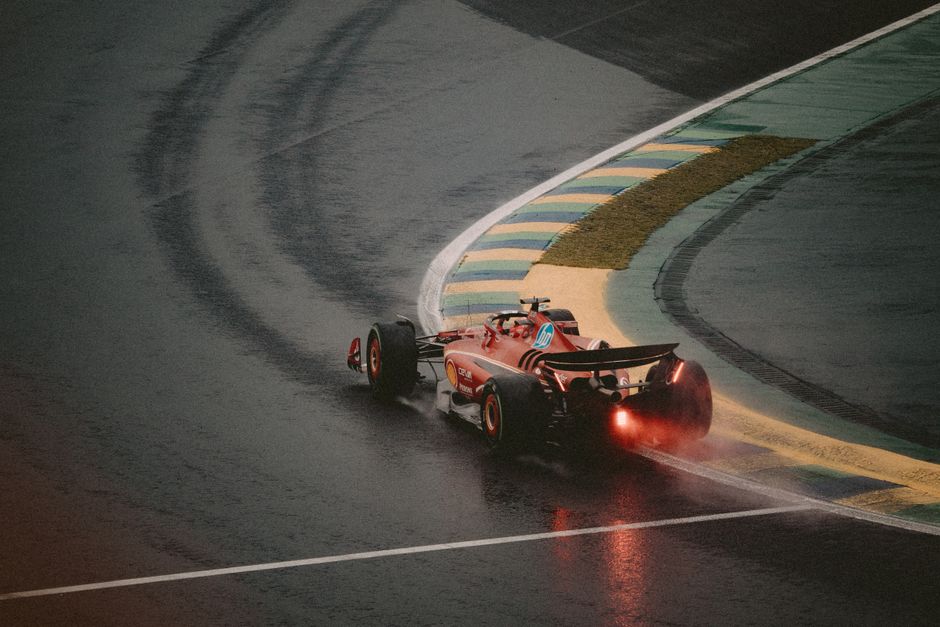
One frequent error is applying full throttle too early, before the car has reached a stable attitude. This often results in wheelspin or a loss of rear grip, forcing the driver to lift off or countersteer. Even if the car does not spin, the interruption in acceleration costs time and disrupts the rhythm of the corner.
Another mistake is being too hesitant with the throttle, leaving the car in a state of neutral or slight deceleration as it exits. While this might feel safe, it prevents the weight transfer that helps rear traction and results in a slower exit speed. The driver may then compensate by carrying more speed into the next straight, but the overall lap time suffers.
Inconsistent throttle application between similar corners also indicates a need for more structured practice. Many drivers unconsciously vary their technique based on confidence levels, leading to unpredictable corner exits. Recording data from a GPS lap timer or using on-board video can help identify patterns and compare throttle traces across laps.
A less obvious issue is the relationship between throttle and steering coordination. Some drivers stab at the throttle while still holding significant steering angle, creating a conflict between lateral and longitudinal forces. The ideal sequence involves unwinding the steering first, then adding power, though in reality these actions overlap. The trick is to synchronize them so that the peak throttle coincides with minimal steering input.
Practicing Throttle Control Across Different Corner Types
Not all corners require the same throttle approach. Tight hairpins, for example, demand a very late and gentle throttle application because the car needs to rotate before accelerating. Here, the driver might wait until the steering is nearly straight before adding significant power. In contrast, long sweeping corners allow for earlier throttle input because the steering angle is small and the car is already settled.
Increasing radius corners, where the turn tightens or opens up as the driver progresses, require constant adjustment. In a decreasing radius corner, the driver must be cautious with throttle as the car may understeer toward the outside. In an increasing radius corner, earlier and more aggressive throttle can be used because the line naturally widens.
Drivers can practice throttle control by performing specific drills on a skidpad or during open track sessions. One useful exercise is to enter a corner at a moderate speed, then focus solely on throttle modulation while ignoring lap time. Another is to experiment with different throttle onset points to see how the car responds. Over time, these trials build a deeper understanding of the car’s behavior.
- Choose a corner with a consistent radius and surface.
- Repeat the corner at the same entry speed but vary the throttle application point.
- Note which approach yields the smoothest acceleration and least steering correction.
- Gradually increase entry speed while maintaining the same throttle technique to test limits.
The Role of Steering and Braking in Setting Up the Exit
Throttle control does not exist in isolation. The exit phase is heavily influenced by what happens during braking and turn-in. A well-executed braking zone leaves the car balanced and pointed in the right direction, allowing the driver to focus on a clean throttle application. If the braking is too late or too harsh, the car may be unsettled at the apex, making progressive throttle difficult.
Similarly, steering input at the apex affects how much throttle can be applied. If the car is understeering, adding throttle can sometimes help by shifting weight to the rear and freeing up the front tires. However, this depends on the vehicle’s dynamics. Oversteer on exit often requires a slight reduction in throttle or a slower rate of increase.
A helpful principle is to view the corner as a continuous flow of inputs rather than separate phases. The transition from braking to throttle should be seamless, with no abrupt changes in pedal position. Many drivers achieve this by trail braking into the apex, then smoothly transitioning to the throttle without a pause. The overlap between the two pedals varies but should be smooth enough to avoid upsetting the chassis.
The most effective drivers often describe corner exit as a conversation between the right foot and the tires, where each small adjustment is a response to the feedback the car provides.
Using Feedback to Refine Throttle Technique
Every vehicle provides feedback through steering feel, seat-of-the-pants sensations, tire noise, and, if equipped, telemetry data. Learning to interpret these signals is crucial for improving throttle control. A slight wiggle at the rear suggests the tires are approaching their limit, indicating that the throttle increase is about right. A sudden loss of traction signals that the input was too abrupt or too early.
Tire squeal or chatter can also provide information. A consistent, moderate squeal during exit often means the tires are near their optimal slip angle. If the noise becomes louder or higher pitched, the driver should consider easing off slightly or holding the current throttle position. If there is no noise, the car might be under-driven and could benefit from earlier or firmer throttle application.
Modern data acquisition systems allow drivers to overlay throttle traces with lateral G-force and steering angle. Comparing a fast lap to a slow one often reveals differences in throttle smoothness and timing. Drivers can use this information to set specific goals for their next session, such as reducing the spike in throttle position at a particular corner or increasing the rate of throttle application on a gradual sweeper.
Ultimately, improving corner exit speed through throttle control is a process of continuous refinement. Each session provides new data points, and each adjustment brings the driver closer to an effective technique. Patience and systematic practice are more reliable than seeking immediate breakthroughs, as the variables involved are complex and interdependent.